Executive Summary & Key Highlights
From automated customer triage to real-time ledger closing, autonomous AI agents are turning static SaaS dashboards into proactive digital co-workers.
The Shift from "Point-and-Click" SaaS to Agentic Autonomy
For over a decade, software-as-a-service followed an unchanging formula: humans log in, stare at dense dashboards, click through multi-step menus, and manually paste data between isolated browser tabs.
In 2026, that paradigm is collapsing.
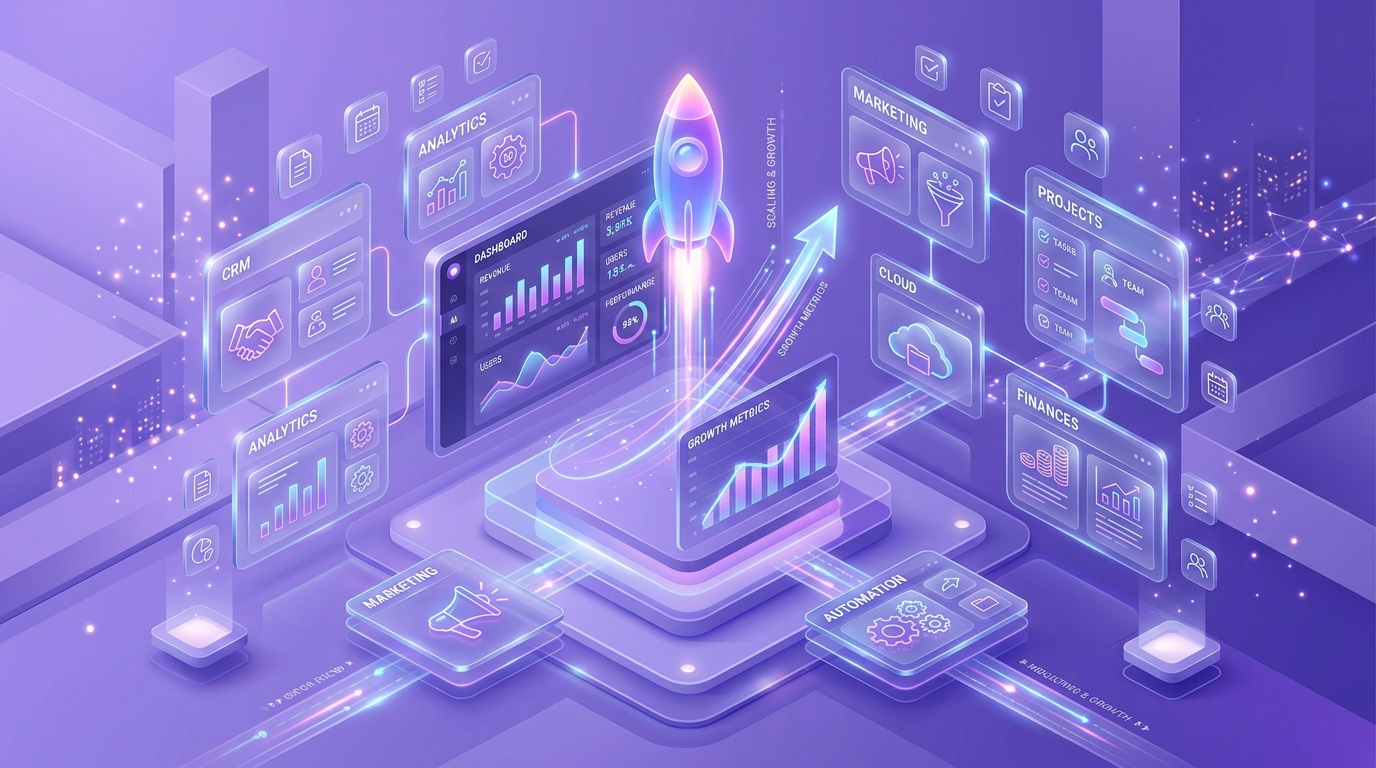
The breakthrough of autonomous AI agents has shifted software from passive record-keepers to proactive outcome generators. Rather than waiting for human inputs, modern SaaS tools orchestrate end-to-end business workflows autonomously.
Why 2026 Is the Tipping Point for Agentic Workflows
Three technological shifts converged to make autonomous software agents viable for mission-critical enterprise workflows:
- Multi-Step Reasoning Loops: Agents don't just generate text; they formulate hypotheses, call REST APIs, analyze return payloads, and self-correct when encountering errors.
- Context Window Persistence: Agents maintain long-term memory across your company's entire historical communication channels, CRM deals, and documentation.
- Guardrailed Deterministic Execution: Modern platforms execute actions within strict role-based permission boundaries, requiring human sign-off only for transactions above specified financial or operational thresholds.
Static SaaS vs. Autonomous Agentic SaaS
To understand the productivity gulf, observe how common business operations are handled across both models:
| Operational Workflow | Traditional SaaS (2020–2024) | Autonomous Agentic SaaS (2026) |
|---|---|---|
| :--- | :--- | :--- |
| Customer Support Inquiries | Human agent reads ticket, looks up database, types reply | AI agent diagnoses logs, executes API refund, replies in 4 seconds |
| Sales Lead Enrichment | SDR manually checks LinkedIn, pastes info into CRM | Agent tracks hiring signals, writes tailored deck, books calendar slot |
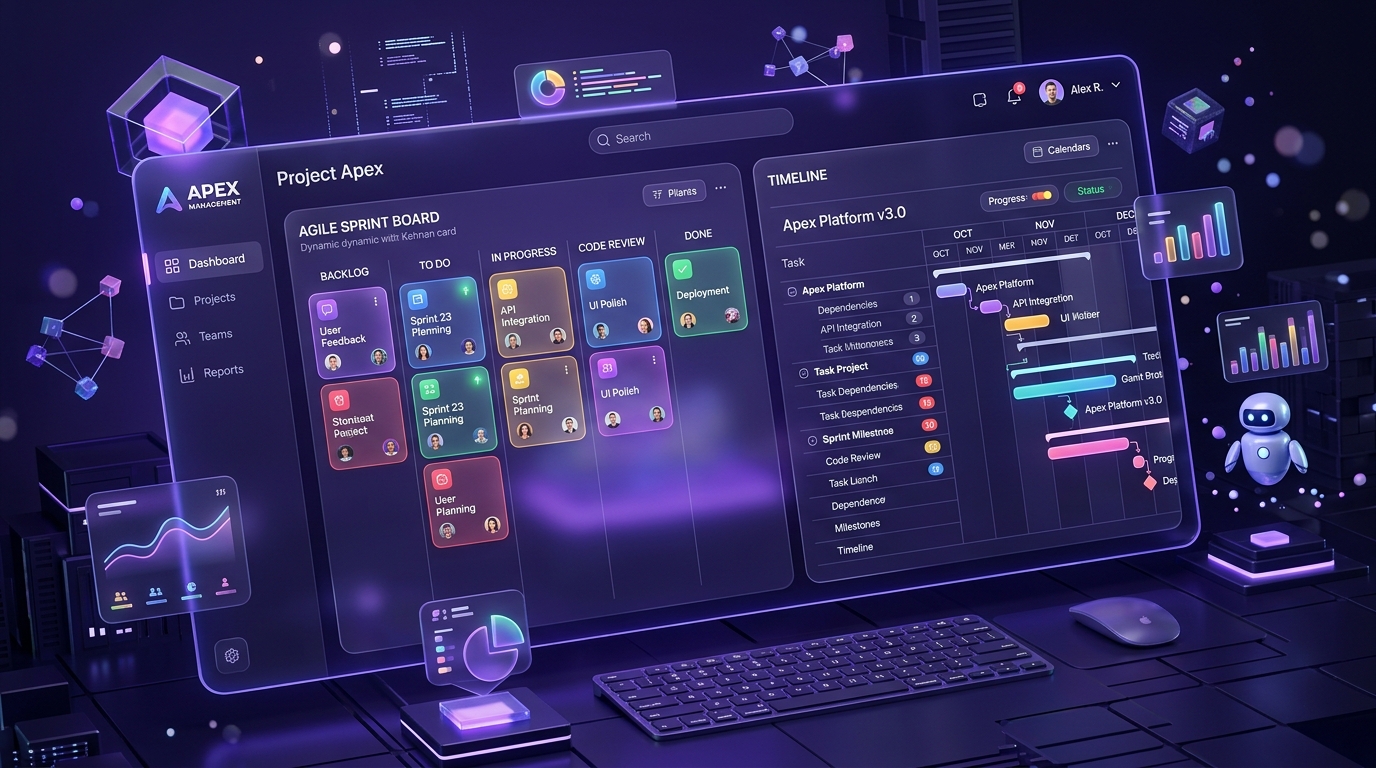
| Sprint Backlog Grooming | PM spends 6 hours writing user stories and acceptance criteria | Agent parses customer feedback calls, drafts PRs, and assigns tickets |
| Month-End Financial Close | Bookkeeper manually reconciles bank statements & receipts | Agent auto-matches 99.4% of transactions and flags anomalies |
3 Core Workflows Being Revolutionized Right Now
1. The Autonomous Customer Support Pipeline
Traditional chatbots deflected simple FAQs by matching keyword patterns. Today's AI support agents — like the intelligence modules built into [Supportly](/products/prod-supportly) — actually execute transactional resolution:
- When a customer reports an integration error, the agent fetches server logs, inspects webhook response payloads, re-initiates the handshake, and informs the user with an exact audit trail.
- Response times drop from hours to under 15 seconds, while human escalation is reserved strictly for VIP relationships or exceptional edge cases.
2. Proactive Sales Intelligence & Pipeline Acceleration
Modern sales teams no longer spend half their day updating fields in complex CRM software. Platforms like [GrowthFlow](/products/prod-growthflow) now deploy autonomous agentic SDRs:
"Our sales team stopped manually logging meeting notes and updating deal probabilities. Our AI agent listens to Gong recordings, automatically updates the pipeline stages, drafts proposal contracts, and schedules next steps without a single manual click." — VP of Revenue, FinOps Global
3. Engineering Velocity & Automated QA
In agile engineering, tools like [TaskFlow](/products/prod-taskflow) integrate directly with GitHub and GitLab. When an incident alert triggers in Datadog, the agent generates an isolated reproduction sandbox, tests potential bug fixes against your unit suite, and submits a pull request with full documentation ready for engineering review.
How to Prepare Your Team for the Agentic Era
If your organization is still spending valuable engineering and marketing hours on manual data transfer, here are 3 actionable steps to take today:
- Audit Repetitive Human Interactions: Identify any workflow where an employee spends more than 30 minutes copying data between two web applications.
- Prioritize Tools with Native Tool-Calling APIs: When choosing new SaaS tools on SaaS MRKT, filter for vendors offering comprehensive webhooks, MCP (Model Context Protocol) endpoints, and structured API contracts.
- Establish Clear Governance Guardrails: Ensure all agentic executions leave comprehensive cryptographic audit trails, with financial thresholds requiring executive multi-factor authentication.
The future of software isn't just about faster interfaces — it's about software that works for you while you sleep.