Executive Summary & Key Highlights
Supercharge your engineering workflow without expensive licenses. Here are the top open-source tools for API testing, local Docker orchestration, and database inspection.
The Golden Age of Open-Source Developer Infrastructure
Building software in 2026 has never been faster, but commercial developer tooling subscriptions can quickly drain a startup's engineering budget.
Between proprietary IDE copilots, API testing suites, database GUIs, and cloud deployment pipelines, a five-person engineering team can easily spend upwards of $600 per month on developer seat licenses alone.
Fortunately, the open-source community has delivered world-class, community-maintained alternatives that match or exceed commercial counterparts in speed, privacy, and customization.
The Top 6 Open-Source Tools for 2026
| Tool Name | Category | Commercial Alternative Replaced | Key Open-Source Advantage |
|---|---|---|---|
| :--- | :--- | :--- | :--- |
| Bruno | API Testing & Debugging | Postman ($14/user/mo) | Git-friendly plain text collections stored in your repo |
| Coolify | Self-Hosted PaaS | Heroku / Render ($25+/mo) | Deploy unlimited apps & DBs on any cheap VPS |
| Supabase | Backend & Database | Firebase (per-read pricing) | Real Postgres database with Row-Level Security & vectors |
| DBeaver | Universal Database GUI | DataGrip ($24/user/mo) | Native support for PostgreSQL, MySQL, Redis, and SQLite |
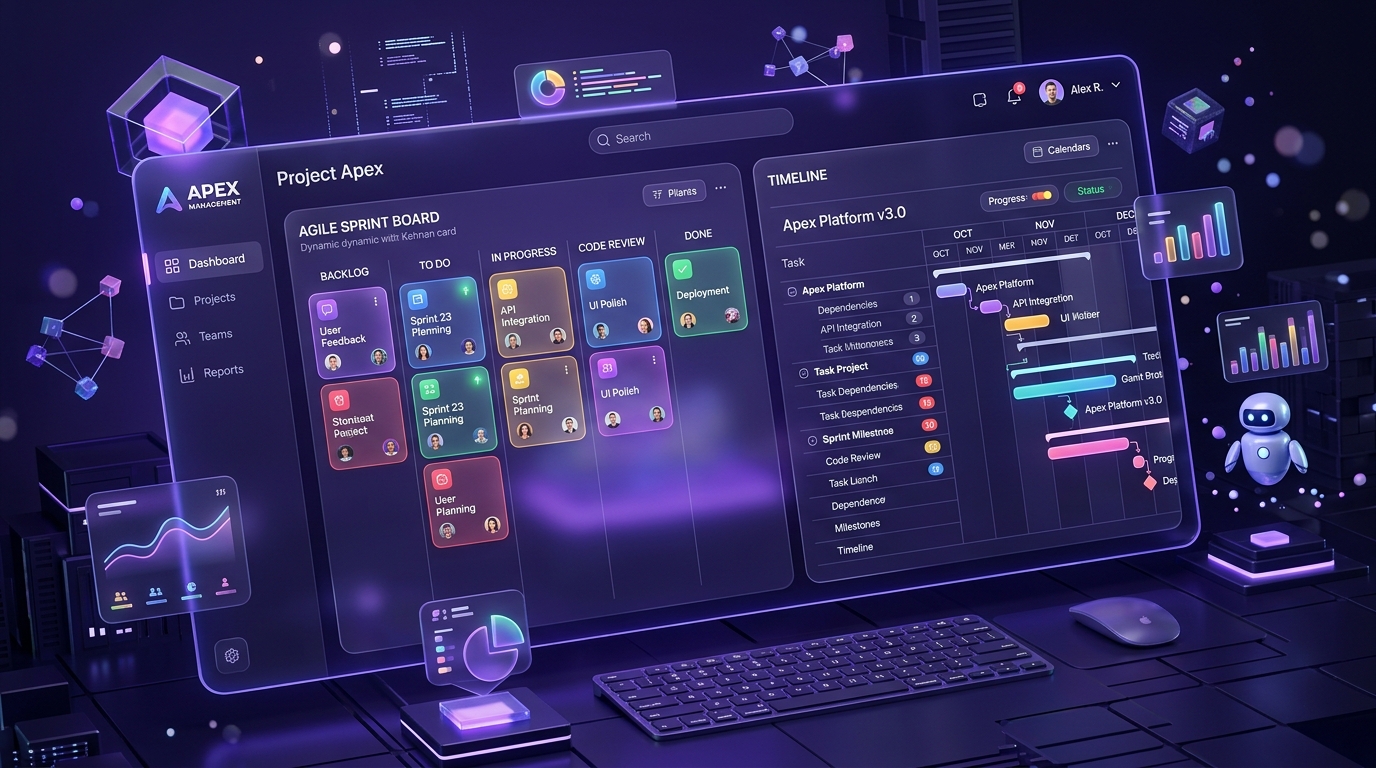
| TaskFlow Community | Agile Engineering Boards | Jira ($8.50/user/mo) | Sub-100ms markdown sprint boards synced to Git branches |
| Infisical | Secrets & Config Management | HashiCorp Vault ($99+/mo) | End-to-end encrypted .env syncing across development squads |
1. Bruno — Git-Friendly API Client
Postman's shift toward mandatory cloud synchronization and workspace paywalls frustrated thousands of developers. Bruno is an offline-first, open-source API client that stores request collections as plain text files directly inside your Git repository.
- Why devs love it: Team members share API requests via standard Git pull requests. No external cloud accounts required, eliminating data leakage risks for proprietary endpoints.
2. Coolify — The Self-Hosted Cloud Platform
Why pay massive markup on container hosting when you can run your own Heroku alternative? Coolify connects to any standard Ubuntu VPS (Hetzner, DigitalOcean, or AWS EC2) and provides an intuitive web dashboard to deploy Next.js apps, Dockerfiles, and databases with automatic free SSL certs.
- Why devs love it: Host 20 staging environments and client apps for the flat cost of a $10/month server.
3. Supabase — The Open-Source Firebase Alternative
Firebase's proprietary NoSQL document model often leads to painful migration debt as applications scale. Supabase provides a production-grade PostgreSQL instance equipped with instant REST and GraphQL APIs, real-time subscriptions, and built-in vector search for AI embeddings.
- Why devs love it: You get all the convenience of Firebase without sacrificing the relational power, ACID compliance, and portability of pure Postgres.
Balance Open-Source with Curated SaaS
While open-source tools provide unparalleled freedom and cost control for internal infrastructure, commercial SaaS solutions remain unmatched for customer-facing operations like automated payroll ([Manage360](/products/prod-manage360)) and sales funnels ([GrowthFlow](/products/prod-growthflow)).
By combining lean open-source developer tooling with vetted commercial platforms from [SaaS MRKT](/products), you maximize engineering velocity while keeping operational overhead near zero.