Executive Summary & Key Highlights
With third-party software supply chain breaches surging, engineering leads and CTOs need this zero-trust architecture to audit vendor tokens, webhooks, and SOC2 compliance.
The New Threat Landscape: Software Supply Chain Vulnerabilities
In 2026, the greatest vulnerability facing modern technology companies is rarely their own proprietary codebase. It is the complex web of third-party SaaS integrations, OAuth tokens, and external API webhooks connected to their core production databases.
According to recent cybersecurity research, over 68% of enterprise security incidents in 2025–2026 originated from compromised credentials or permissive access scopes granted to external SaaS tools.
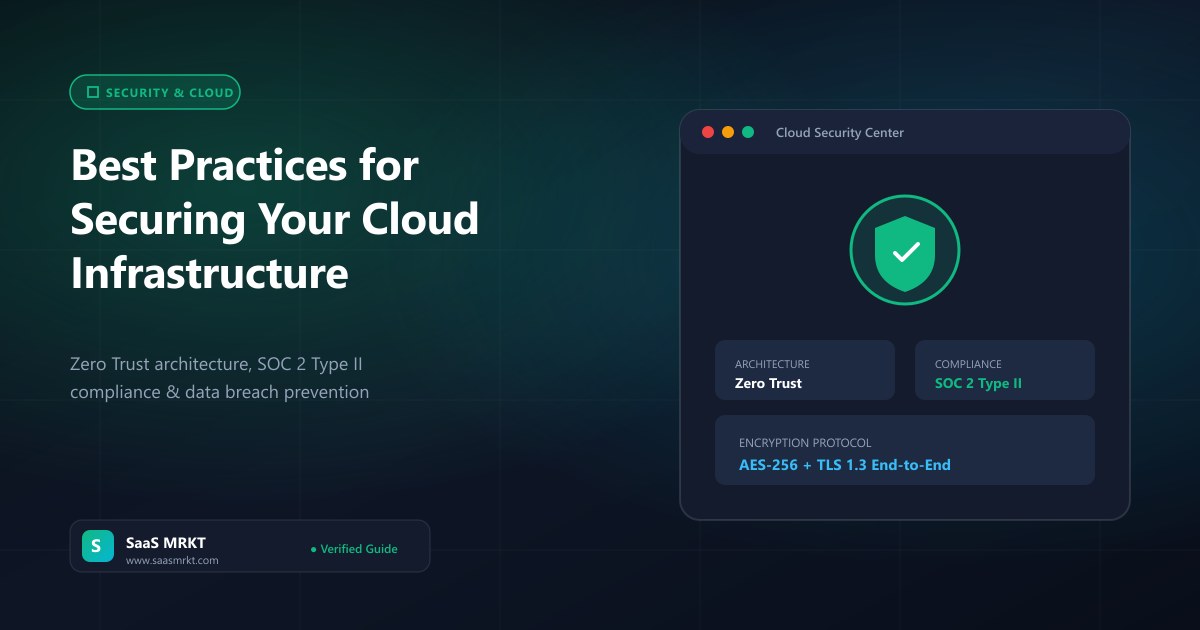
To safeguard corporate customer data, organizations must replace implicit trust with a strict Zero-Trust SaaS Procurement Architecture.
The 4 Pillars of Zero-Trust SaaS Procurement
Zero-trust assumes that any network perimeter can be breached. Consequently, every external software application must continually prove its authenticity and operate under minimal necessary privilege.
1. Principle of Least Privilege (PoLP) for OAuth Scopes
When connecting a new SaaS tool to your Google Workspace, Slack, or GitHub organization:
- Never grant wildcard read/write permissions: If an analytics tool only requires read access to marketing stats, reject permissions requesting repository write access or email sending capabilities.
- Audit OAuth Grants Quarterly: Use centralized identity providers (Okta, Google Workspace Admin) to revoke tokens for retired tools or test environments.
2. Cryptographic Webhook Signature Verification
Third-party SaaS platforms frequently trigger actions inside your core database via incoming HTTP webhooks (e.g., notifying your billing server that an invoice was paid).
```typescript
// Mandatory Production Webhook Verification Pattern
import crypto from 'crypto';
export function verifySaaSWebhook(
payload: string,
signature: string,
secretKey: string
): boolean {
const computedHash = crypto
.createHmac('sha256', secretKey)
.update(payload)
.digest('hex');
// Time-constant string comparison to eliminate timing attacks
return crypto.timingSafeEqual(
Buffer.from(signature),
Buffer.from(computedHash)
);
}
```
Failing to verify webhook signatures leaves your API endpoints vulnerable to spoofed requests that could illicitly provision paid subscriptions or alter user permissions.
Enterprise Vendor Risk Assessment Matrix
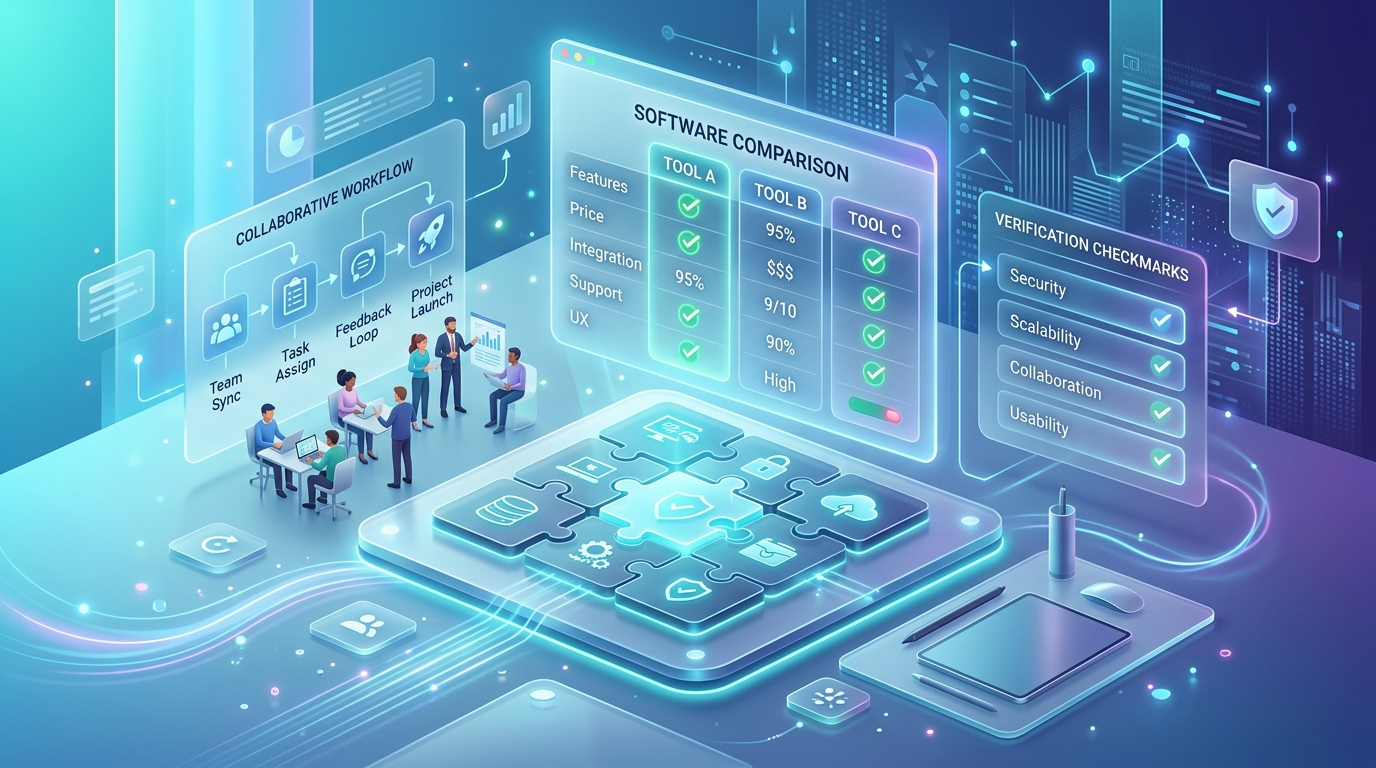
Before introducing any software vendor to your organizational workflow, evaluate them against this security scorecard:
| Compliance / Security Metric | Minimum Mandatory Standard | Red Flag / Disqualifier |
|---|---|---|
| :--- | :--- | :--- |
| SOC2 / ISO 27001 Certification | Active SOC2 Type II report audited within the last 12 months | Self-attested security claims with zero independent third-party audit |
| Data Encryption Standards | AES-256 at rest, TLS 1.3 in transit with Perfect Forward Secrecy | Legacy TLS 1.1 or unencrypted database backups |
| Data Residency Controls | Configurable hosting regions (US-East, EU-Central, APAC) | Unspecified offshore server locations with unknown jurisdictions |
| Single Sign-On (SSO) | SAML 2.0 / OIDC native integration | Passwords stored without mandatory Multi-Factor Authentication (MFA) |
| Marketplace Escrow Protection | Listed on verified marketplaces like [SaaS MRKT](/trust) | Unverified private checkout links without refund escrow guarantees |
Action Plan for CTOs & Security Teams
- Deploy an Automated SaaS Discovery Scanner: Run discovery tools across your corporate DNS and Google Workspace logs to identify unauthorized "shadow IT" applications adopted by non-technical teams.
- Mandate SSO Enforcement: Configure your primary identity provider so employees cannot log into external SaaS platforms using standalone username and password pairs.
- Require 30-Day Escrow Verification for New Vendors: Leverage platforms like [SaaS MRKT Trust & Security](/trust) to ensure payments are held securely until software code safety and vendor legitimacy are independently verified.
Protecting your enterprise isn't about avoiding modern SaaS; it's about deploying verified, hardened tools with zero compromise on architectural security.